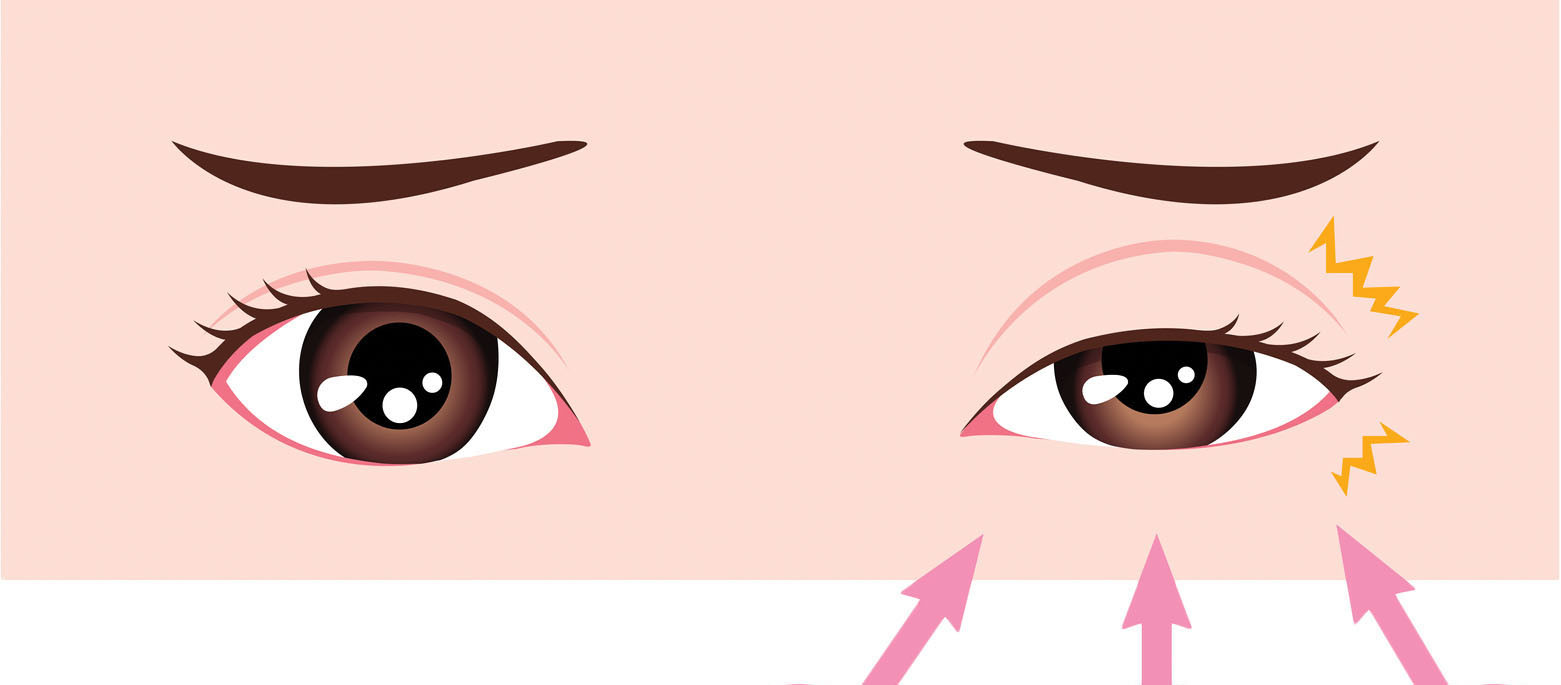
Most people experience eyetwitching now and then, but it's not always harmless.Hemifacial spasm is typically caused by a blood vessel that presses on a facial nerve. Other conditions that sometimes include eyelidtwitching as a sign include EyeTwitching: When your eyelid, usually the upper one, spasms or moves & you can’t make it stop. Learn about types, causes, treatment, & outlook for eyetwitching. Eyelidtwitching, also called eyetwitching, happens when a muscle in your eyelid spasms uncontrollably. The most common eyelidtwitch is usually harmless.There are many reasons why your eyelid might twitch. Most are caused by common triggers in your daily life. Have you ever experienced that strange fluttering sensation in your eye? Maybe your lower eyelid jumps for a few seconds—or even minutes—and you’re left wondering: Whyismyeyelidtwitching? But if just one eyelid is twitching on and off, it is usually a harmless (and often exasperating) case of eyelid myokymia. As for why it happens: “Nobody knows exactly why,” said Dr. Alice Lorch, an ophthalmologist at Massachusetts Eye and Ear in Boston. Most eyelidtwitches happen because the tiny orbicularis oculi muscle is overstimulated by fatigue, stress, caffeine, or dry eyes. These brief, painless spasms are almost always harmless and stop within hours to days. At GW Eye Associates serving La Jolla, CA, Carmel Valley, CA, and other areas of San Diego, CA, we can determine why your eyelid is twitching. We can test for various eye conditions during an eye exam to identify the source of eyetwitching if this problem lasts for several days or weeks. The occasional eyelidtwitch is usually nothing to worry about, but if it becomes a persistent or recurring issue there could be a number of reasons why. Eyetwitches (known as blepharospasms) are the repetitive and uncontrollable blinking or spasms of your eyelid. WhyisMyEyelidTwitching? And Is It Serious? eyetwitches As a surgeon who specializes in eyelid surgery and the treatment of various eye conditions such as watery eyes, we sometimes have patients contact us concerned that their eyelids are twitching. Discover why your upper eyelid is twitching so much and learn effective tips to alleviate this common issue. WhyIsMyEyeTwitching?An eyelidtwitch or contraction is a repetitive and involuntary spasm of the eyelid muscles. Eyelidtwitches typically occur in unpredictable periods lasting between a few seconds and hours. Chronic twitching could last for a few days or weeks. In most people, the eyelids seamlessly open and close without issue. However, others can experience eyelidtwitching or spasms that range from mild to severe. In this blog, we will explain why this happens and when you should see an ophthalmologist. How are eyelidtwitches treated? You don’t have to worry, as most eyelid spasms go away without treatment in a few days or weeks. If they don’t go away, you can try to eliminate or decrease potential causes. As the most common causes of eyelidtwitch are stress, fatigue, and caffeine. Eyelidtwitching, also known as myokymia, is a common condition that most people experience at some point. Dr. Melanie Sobel breaks down what causes it, when it’s harmless, and when it may be time to see a doctor. The exact cause of eyelid myokymia is unknown and might vary from person to person. Some people notice an increase in twitching when they are experiencing stress. Other causes of eye twitchinginclude: 1. Wearing contact lenses that are scratched or unclean 2. Eye irritation from allergies, wind, air pollution, etc. 3. Corneal abrasion 4. Dry eye 5....See full list on visioncenter.orgFor many people, the best treatment for eye twitching is to prevent it from occurring. There are several things you can do to reduce twitching, many of which offer additional benefits. The most common options for preventing eye twitching include: 1. Taking measures to keep stress under control 2. Limiting screen time and other activities that cause...See full list on visioncenter.orgA minor eyelid twitch that lasts a short time typically isn’t a cause for concern. Eyelid twitching that doesn’t go away and is accompanied by other symptoms may need medical attention. See an eye doctor whenever eye twitching interferes with sleep or daily activities. Treatment is available, so there is no reason eye twitching should affect your q...See full list on visioncenter.orgTemporary eye twitching usually doesn’t require treatment. If eyelid twitching interferes with your quality of life, affects your vision, or is chronic, treatment is necessary.See full list on visioncenter.orgMost instances and causes of eye twitching aren’t serious. However, there are three instances in which a serious eye health condition will cause twitching. These include: 1. Hemifacial spasms (facial spasms) 2. Essential blepharospasm 3. Blepharitis Benign essential blepharospasm causes involuntary movements in the eye. There is no known cause, but...See full list on visioncenter.orgComplications of eye twitching only occur in rare cases. It tends to be a temporary, highly treatable, and preventable issue. However, some people experience side effects caused by twitching, including: 1. Drooping eyelids 2. Double vision 3. Blurred vision 4. Excessive tearing 5. Injury to the cornea 6. Permanent eye damageSee full list on visioncenter.orgEyelid myokymia, or eye twitching, happens when the muscles around your eyelid spasm. Temporary eye twitching usually isn’t a serious concern. If eye twitching doesn’t go away or affects your quality of life, there are things you can do to prevent or reduce it. To stop eye twitching on your own, you can address the underlying cause, such as reducin...See full list on visioncenter.orgJan 26, 2024 · An eyelid twitch is when your eyelid muscles involuntarily and repetitively spasm. Learn about the possible causes and how you can find the right treatment. · Eye twitching is often caused by everyday factors like stress, fatigue, caffeine, or dry eyes. At-home treatments include using a warm compress, getting more rest, limiting stimulants like caffeine, and applying artificial tears for lubrication. · Learn about the different types and possible causes of eye twitching, from stress and caffeine to neurological conditions. Find out when to call the doctor and how to treat or prevent eye twitching. · Most eyelidtwitching is caused by temporary factors like fatigue, stress, caffeine intake or eye strain. In these cases, certain lifestyle changes could help stop the twitching. Can stress cause eye twitching?Stress can cause eye twitching, and managing stress may help stop it. A warm compress can relax eye muscles and reduce twitching. Reducing caffeine intake can help prevent eye twitching. Eye twitching is often caused by everyday factors like stress, fatigue, caffeine, or dry eyes.Why is my eye twitching?Eye twitching is an uncontrollable type of movement of your eye, the muscles in your eyelid or parts of your face immediately around your eye. In many cases, eye twitching is normal, and it’s something everyone experiences.What is an eyelid Twitch?Eyelid spasms are when one or both of your eyelids twitch or suddenly close. These movements are involuntary, meaning that they are out of your control. The most common types of eyelid spasms are: eyelid twitch (or tic), essential blepharospasm, and hemifacial spasm.What does eye twitch mean?When you think of an eye twitch, you're probably thinking of eyelid myokymia. This is the medical term for the slight pulsing, flickering or "twitching" of your eyelid. You can feel the twitching above your eye (upper eyelid), under your eye (lower eyelid), or in both your upper and lower eyelids. · Eyelid spasm or eyelidtwitching, also called blepharospasm, is an involuntary blinking or spasm of the eyelids. Here are a few causes of a twitchingeyelid. · Eye twitching is often caused by everyday factors like stress, fatigue, caffeine, or dry eyes. At-home treatments include using a warm compress, getting more rest, limiting stimulants like caffeine, and applying artificial tears for lubrication. · Learn about the different types and possible causes of eye twitching, from stress and caffeine to neurological conditions. Find out when to call the doctor and how to treat or prevent eye twitching. · Eyelid spasm or eyelidtwitching, also called blepharospasm, is an involuntary blinking or spasm of the eyelids. Here are a few causes of a twitchingeyelid.