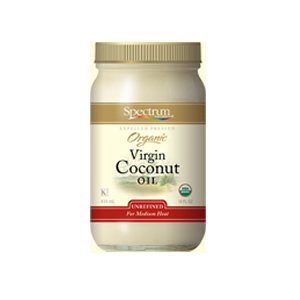
· Learn how refined and unrefined coconut oil are produced, what their properties are, and how to choose the best one for your needs. Find out the pros and cons of each type for baking, cooking, skin and hair care, and dietary preferences. · What Is UnrefinedCoconutOil? Unrefinedcoconutoil, commonly labeled as “virgin” or “pure,” has a tropical coconut flavor and aroma since it’s made from cold-pressed fresh coconut meat. Unrefinedcoconutoil, also known as virgin coconut oil, comes packed with flavor and nutrients. Its production process ensures most of the natural compounds remain intact, making it a favorite for health enthusiasts. · Learn the differences, health benefits, and best uses for each type of coconut oil. Find out which one is better for baking, cooking, skin, hair, and low carb diets. Literally the best coconutoil you will taste. Only oil I use for cooking... Taste great.. Can't wait to cook with it.. Rewards debit card. Earn 3% cash back, on up to $150 spent each month. Terms apply. Explore additional savings. · Unrefined coconut oil is minimally processed, retaining its distinct coconut taste and smell, while refined coconut oil undergoes more processing for a neutral flavor, aroma, and a higher smoke point, making it more versatile for high-heat cooking. Is refined coconut oil better than unrefined?Refined coconut oil still offers medium-chain fatty acids but with fewer nutrients. I value the extra nutrients in unrefined oil, especially for overall health. When I cook, I consider the recipe and the oil’s properties. Each type serves its purpose, making both options valuable in the kitchen.What is unrefined coconut oil?Sometimes called virgin coconut oil, unrefined coconut oil is oil that has been pressed from coconut meat and undergone no further processing. There are two methods of extracting unrefined coconut oil from coconuts (2): Dry. This method uses a machine to press coconut oil out of dried coconut flesh, or copra. Wet.How is refined coconut oil made?Refined coconut oil undergoes a bit more processing. The process starts with pressing dried coconuts. This is somewhat similar to the dry technique used for some unrefined coconut oil. Then, one or all of the following steps occur in the manufacturing process to refine the oil: Degumming.Is refined coconut oil good for You?I often use refined coconut oil for sautéing veggies or making popcorn. Refined coconut oil retains some medium-chain triglycerides (MCTs), which offer energy benefits. However, it lacks antioxidants and beneficial compounds present in unrefined options. Use our coconutoil for face as a makeup remover—or even as an alternative to massage oils. ️ COCONUTOIL FOR COOKING AND BAKING - An unrefined coconut oil with a naturally high smoke point (350°F), perfect cooking oil for baking, frying and sautéing. Our coconutoil is cold-pressed from organic coconuts, delivering a rich flavor and aroma. · Unrefined coconut oil is minimally processed, retaining its distinct coconut taste and smell, while refined coconut oil undergoes more processing for a neutral flavor, aroma, and a higher smoke point, making it more versatile for high-heat cooking. Use our coconutoil for face as a makeup remover—or even as an alternative to massage oils. ️ COCONUTOIL FOR COOKING AND BAKING - An unrefined coconut oil with a naturally high smoke point (350°F), perfect cooking oil for baking, frying and sautéing. Our coconutoil is cold-pressed from organic coconuts, delivering a rich flavor and aroma.