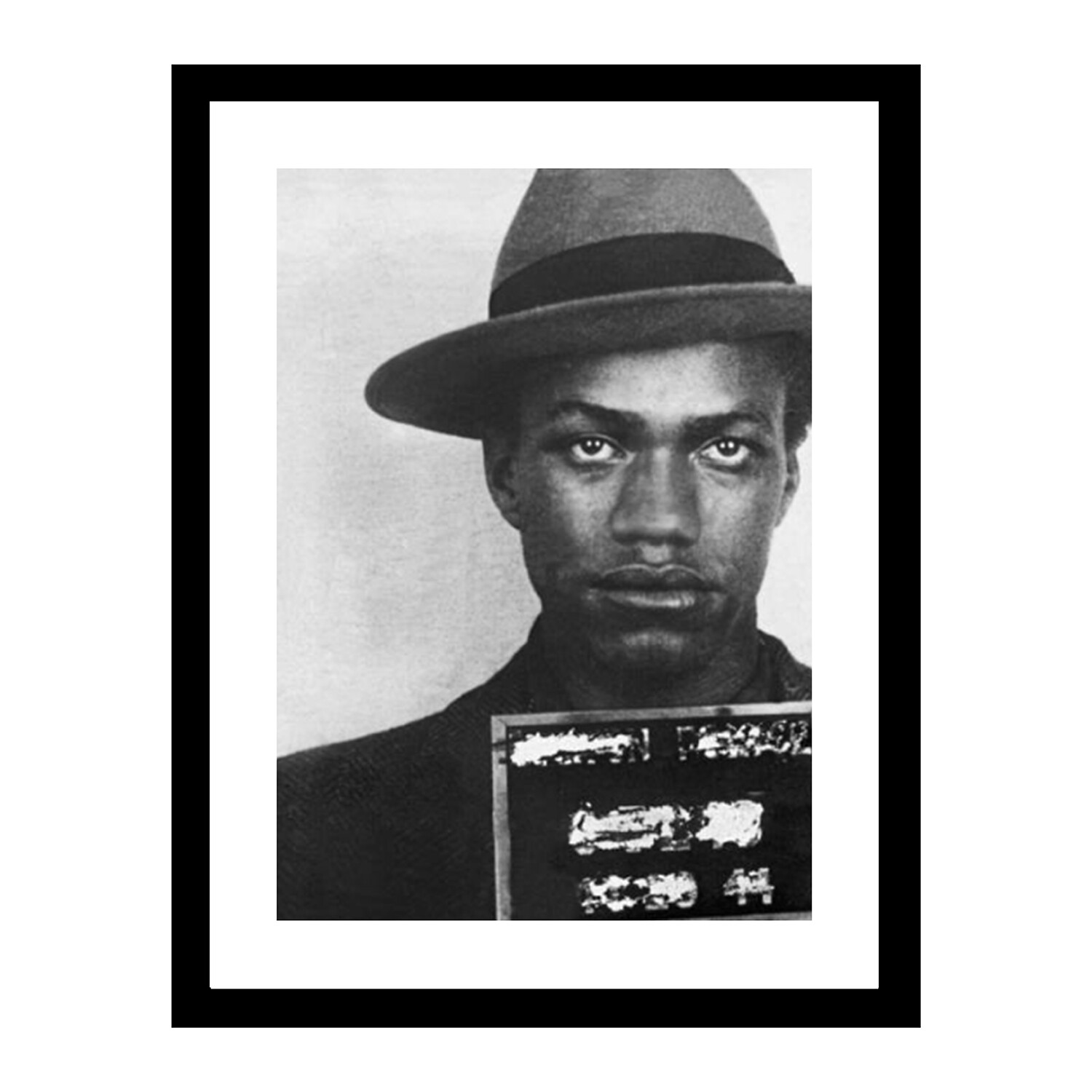
Webas a part of this practice, bertillon standardized the modern mugshot in 1888 with the now familiar frontal and profile portrait, the latter of which was selected because bertillon believed the. Webcapturing the criminal image traces how the act of representing—and watching—is central to modern law enforcement. Jonathan finn analyzes the development of pol. Webthe mugshot represents one of the earliest uses of technology in the identification of criminals. The mug shot makeover how modern technology is transforming criminal portraits. Webin the 1880s, alphonse bertillon, an anthropologist and chief of the judicial identification service of france, invented the mug shot, a doubled photographic portrait. Weba 1916 american mug shot. Visual technologies continue to play an increasingly key role in strategies for monitoring and surveillance in modern capitalist societies in crime prevention and detection, and the apprehension, recording, documenting and classification of criminals and criminal activities. From mug shot to surveillance society (minneapolis: University of minnesota press, 2009); And joshua ellenbogen, the reasoned and unreasoned image: The photography of bertillon, galton, and marey. Webthe modern mugshot, with a frontal and profile image apiece, was devised by the famous french criminalist alphonse bertillon in the late 19 th century. For more than a century, it has provided law enforcement with a way to catalog and keep track of repeat offenders and suspects. Webthese stark, unembellished photos serve a clear purpose in the justice system. We’ll jump into the history, the technique, and the unexpected cultural impact of mug shots. Stick with us to uncover how this form of photography has evolved beyond the precincts and into the public imagination. Webmug shots, the criminal identification portrait. Webin the 1880s, alphonse bertillon, an anthropologist and chief of the judicial identification service of france, invented the mug shot, a doubled photographic portrait focused tightly on the head, with one view facing the camera and the other in profile.