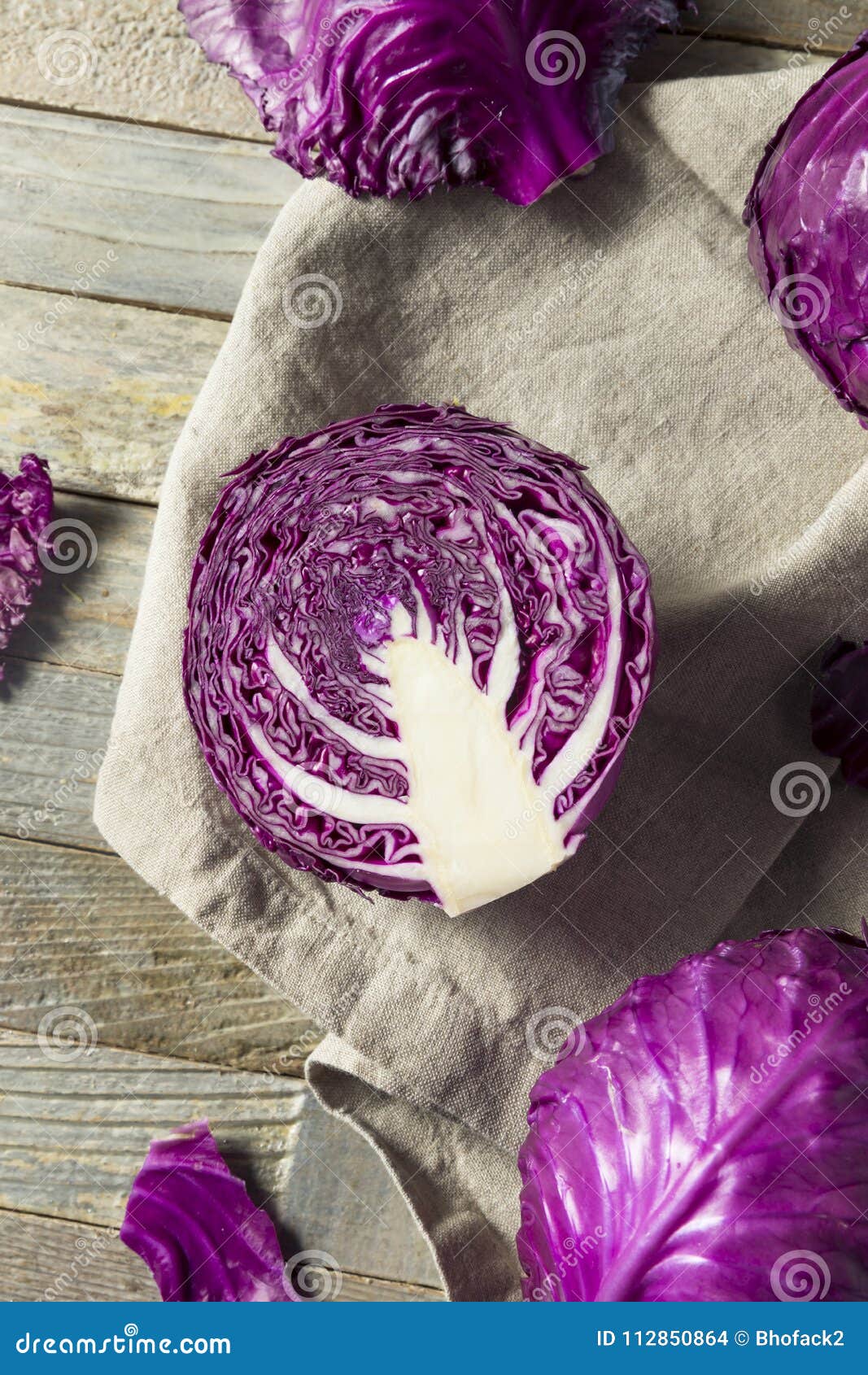
· Discover if eating rawpurplecabbage is good for you. This article explores the impressive nutritional benefits, including antioxidants and vitamins, while also addressing potential side effects and preparation tips. · Purple cabbage can be eaten raw, offering many health benefits by retaining its full nutrients. Purple cabbage is rich in antioxidants, supports heart health, and has anti-inflammatory and anti-cancer properties. Purple cabbage is a nutrient-rich vegetable linked to a variety of health benefits, including reduced inflammation, a healthier heart, stronger bones, improved gut function, and maybe a lower risk of certain cancers.Purple cabbage, also referred to as red cabbage, belongs to the Brassica genus of plants. This group includes nutrient-dense vegetables, such as broccoli, Brussels sprouts, and kale.It tastes similar to green cabbage. However, the purple variety is richer in beneficial plant compounds that have been linked to health benefits, such as stronger bones and a healthier heart.Purple cabbage is also thought to lower inflammation and protect against certain types of cancers. Moreover, it’s an incredibly versatile vegetable that can be enjoyed raw, cooked, or fermented and added to a variety of dishes.See full list on healthline.comDespite being low in calories, purple cabbage contains an impressive amount of nutrients.One cup (89 grams) of chopped, raw, purple cabbage contains the following nutrients (1):•Calories: 28•Protein: 1 gram•Carbs: 7 grams•Fiber: 2 gramsSee full list on healthline.comPurple cabbage is a great source of antioxidants and other beneficial plant compounds that help protect against cellular damage.Its antioxidants include vitamin C, carotenoids, and flavonoid antioxidants, such as anthocyanins and kaempferol. In fact, it often contains higher amounts of these than green cabbage (2).For instance, research suggests that the antioxidant levels in purple cabbage are around 4.5 times higher than those found in green cabbage varieties (1, 3, 4).What’s more, purple cabbage is one of the foods that offers the highest levels of antioxidants per unit cost (4).It’s also a good source of sulforaphane, a sulfur-rich compound that forms when raw cabbage is cut or crushed. Sulforaphane is linked to powerful heart health benefits and cancer-fighting properties (5, 6).Summary Purple cabbage is a great source of beneficial plant compounds andSee full list on healthline.comPurple cabbage may help fight inflammation, which is thought to contribute to many diseases.One test-tube study using an artificial model of the human gut found that certain varieties of purple cabbage reduced markers of gut inflammation by 22–40% (7).Animal studies report that sulforaphane, the beneficial sulfur compound found in many cruciferous vegetables, may be to thank for its anti-inflammatory effects (8).Interestingly, applying cabbage leaves to the skin also appears to reduce inflammation.For instance, adults with arthritis who wrapped their knees in cabbage leaves once per day reported feeling significantly less pain by the end of the 4-week study. However, the cabbage wraps reduced pain less effectively than a topical pain gel (9).Moreover, cabbage leaves appear to reduce breast pain, swelling, and inflammation due to increased milk supply and blood flow during the early postpartum period (10).See full list on healthline.comPurple cabbage may also benefit your heart.This may be due to its content of anthocyanins, which are flavonoid antioxidants that give purple cabbage its characteristic color (11).One large study found that women who regularly eat large amounts of anthocyanin-rich foods may benefit from an 11–32% lower risk of heart attacks, compared with those who eat fewer of these foods (12, 13).Higher anthocyanin intakes may also be linked to lower blood pressure and a lower risk of heart disease (14, 15).Purple cabbage contains more than 36 types of anthocyanins, making it an excellent source of this heart-healthy compound (16).Summary Purple cabbage is a rich source of anthocyanins, which are beneficialSee full list on healthline.comPurple cabbage contains several bone-benefiting nutrients, including vitamins C and K, as well as smaller amounts of calcium, manganese, and zinc (17).For instance, 1 cup (89 grams) of raw purple cabbage contains around 56% of the DV for vitamin C, which plays a role in bone formation and helps protect your bone cells from damage (1, 18).Purple cabbage is also rich in vitamin K1, offering a little over a quarter of the DV per cup (89 grams) (1).Vitamin K1 is mostly found in plant foods, such as leafy greens and cruciferous vegetables. This distinguishes it from vitamin K2, which is found in animal products and fermented foods.There’s evidence that both forms of vitamin K play a role in maintaining strong and healthy bones, although more research is needed to pinpoint the specific effects of each (19).Summary Purple cabbage is rich in vitamins C and K1, both of which areSee full list on healthline.comPurple cabbage may help protect against certain types of cancers, though more research in humans is needed.Experts believe this may be because it contains sulforaphane and anthocyanins — two compounds researched for their cancer-fighting properties.Research links high intakes of cruciferous vegetables, including cabbage, to an 18% lower risk of colon cancer. Diets rich in cruciferous vegetables have also been linked to a lower risk of breast cancer (20, 21).Moreover, there’s evidence to suggest that the sulforaphane found in purple cabbage and other cruciferous vegetables may help kill cancer cells or prevent them from growing and spreading (22).Cell and animal studies suggest that anthocyanins may have similar anti-cancer effects. Anthocyanins are found in red, blue, and purple fruits and vegetables, including purple cabbage (23).However, more human research is needed before strong conclusions can be made.See full list on healthline.comPurple cabbage may improve the function of your gut.There’s evidence that cabbage may lower inflammation in the gut and reduce intestinal mucositis — a condition in which lesions develop in the gut, often as a side effect of cancer treatment (7, 24, 25).Cabbage is also a good source of fiber, which keeps your gut healthy and helps it digest foods more easily.Insoluble fiber comprises around 70% of the fiber in cabbage. It adds bulk to stools and helps food move through your gut more easily, reducing the risk of constipation (26, 27).The remaining 30% is soluble fiber, which provides food for the beneficial bacteria living in your gut. In turn, these friendly bacteria produce short-chain fatty acids (SCFAs), such as acetate, butyrate, and propionate, which feed the cells of your gut (28).Research shows that SCFAs may also reduce inflammation and other symptoms of gut disorders, such as Crohn’s disease, irritable bowel syndrome (IBS), and ulcerative colitis (28, 29).See full list on healthline.comPurple cabbage is an incredibly versatile vegetable. You can eat it raw or cooked, and it’s well suited to accompany a variety of dishes.For instance, it can be steamed and used to make dumpling fillings, or braised with red wine, vinegar, apples, carrots, and beets for a flavorful side dish.Purple cabbage can also be roasted or sautéed with meats or beans, or it can be shredded and used as a nutrient-rich garnish for soups, salads, and warm dishes.It also offers an antioxidant-rich and visually appealing alternative to green cabbage in coleslaw or sauerkraut, or it can be fermented to make kimchi.Summary Purple cabbage is a simple and tasty addition to many dishes. It canbe eaten raw, cooked, or fermented, which adds to its versatility.See full list on healthline.comPurple cabbage is a nutrient-rich vegetable linked to a variety of health benefits.These include reduced inflammation, a healthier heart, stronger bones, improved gut function, and perhaps even a lower risk of certain cancers.See full list on healthline.comOct 2, 2024 · Whether eaten raw in salads or cooked in various dishes, purplecabbage offers a nice mix of taste and texture. It's also been linked to benefits like better digestion, reduced inflammation, and improved heart health. · Is it better to eat purplecabbageraw or cooked? This versatile vegetable can be added to soups, stews, salads, and coleslaw. It’s delicious raw, steamed, sauteed, and fermented. It retains the most nutrients when it’s eaten raw, but is still highly nutritious when cooked. Purplecabbage is the perfect food for people trying to lose weight because it has relatively more nutrients and fewer calories than many other vegetables. This vegetable is a powerhouse of fiber, high-quality carbs, potassium, lots of vitamins, and other necessary nutrients. · Purplecabbage’s rich color is credited to a number of beneficial plant compounds that make it a nutritional powerhouse. In this article, we’ll review the many health benefits of purplecabbage, according to science. · Whether eaten raw in salads or cooked in various dishes, purplecabbage offers a nice mix of taste and texture. It's also been linked to benefits like better digestion, reduced inflammation, and improved heart health. · Is it better to eat purplecabbageraw or cooked? This versatile vegetable can be added to soups, stews, salads, and coleslaw. It’s delicious raw, steamed, sauteed, and fermented. It retains the most nutrients when it’s eaten raw, but is still highly nutritious when cooked. Purplecabbage is the perfect food for people trying to lose weight because it has relatively more nutrients and fewer calories than many other vegetables. This vegetable is a powerhouse of fiber, high-quality carbs, potassium, lots of vitamins, and other necessary nutrients. · Purplecabbage’s rich color is credited to a number of beneficial plant compounds that make it a nutritional powerhouse. In this article, we’ll review the many health benefits of purplecabbage, according to science. Download this Free Photo about Rawpurplecabbage on stone surface.Purplecabbage in an octopus style on blue surface. Discover similar. 2. This purplecabbage will meet salt. When the water becomes soft, we gently rub and marinate with our hands, and squeeze out the excess water after ten minutes. I love rawpurplecabbage in a salad but the roasted version is next level delicious! Fresh rawpurple Chinese cabbage cut in half on a black concrete old background. Top view.Carrot Strips, PurpleCabbage, Raw Salmon, Ground Peanuts This purplecabbage slaw is fresh, zingy, crunchy, mayo-free, and the perfect side dish for your summer cookout or picnic. Try to choose purplecabbage because it has 6 to 8 times more vitamin C than green. This RawPurpleCabbage Slaw is the perfect way to introduce more cabbage to your diet. The antioxidant value of Red Cabbage (Purple), Raw described in ORAC units is: 2,496 μ mol TE/100g. Healthy RawCabbage Dish. PurpleCabbage Wraps.Purple And White Cabbage Close-up. Purple Vegetable Texture. Red Cabbage Photography. It is simple to incorporate purplecabbage in your recipes. You can use them just as you use the usual cabbage leaves. Rawpurplecabbage leaves can be used in salads, juices and sizzlers. Close up, top view. Texture rawpurplecabbage. PURPLECABBAGERAW VEGAN MEAL used what I had in the kitchen….. for the base purplecabbage, cherry tomatoes, yellow onion, red apple. For the dressing I used apple cider... Tagged with: gluten free, purplecabbage, raw, red onion, salad. Types of cabbage differ based on the texture of their leaves, which can be flat or curly, and their color, which is either purple or green. Cabbage can be eaten raw, pickled, or cooked...