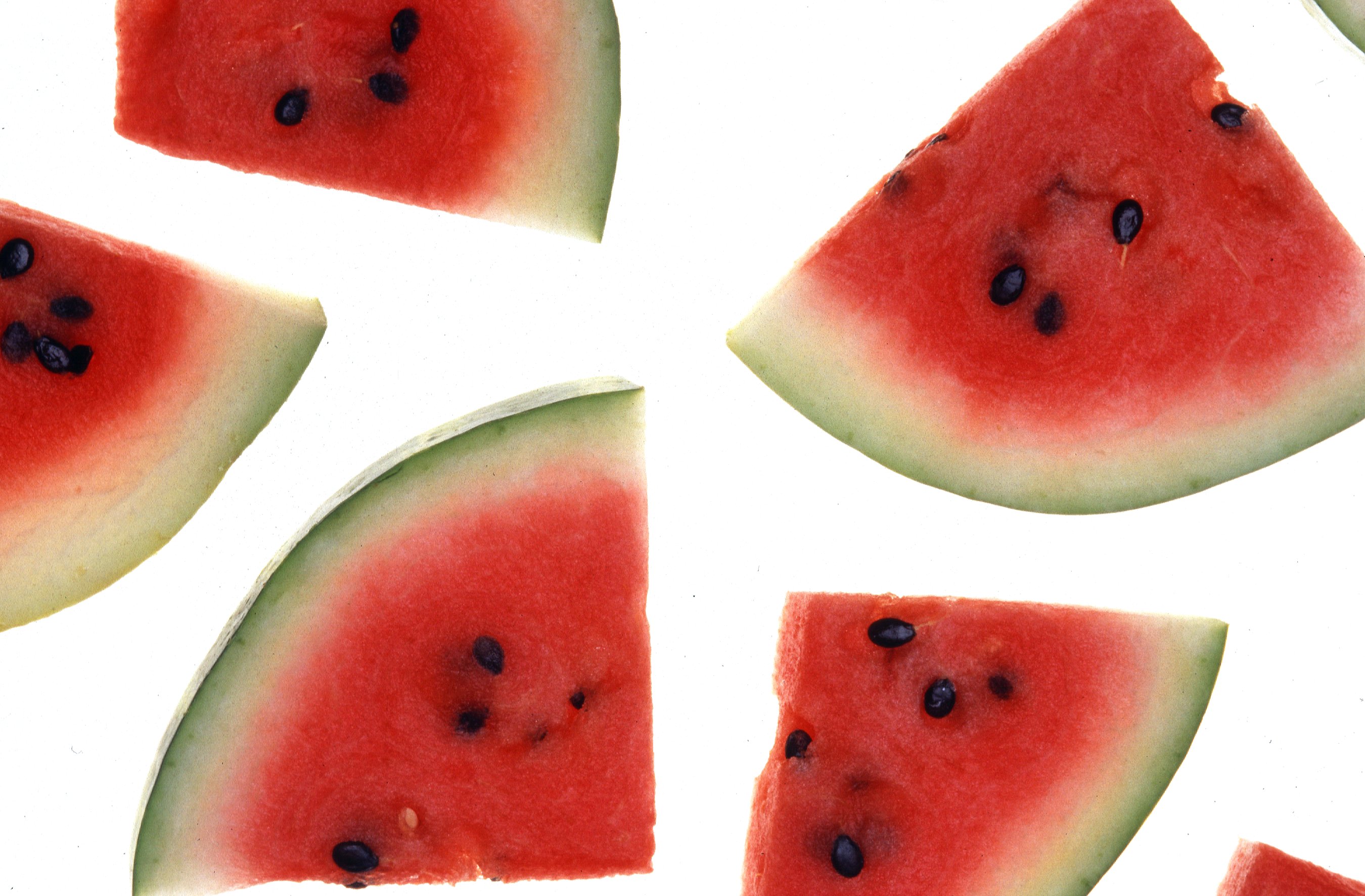
· Eating one cup of watermelon, about 11 grams of carbs, is safe for people with diabetes. Pair watermelon with protein or healthy fat to help prevent blood sugar spikes. You may be able to eat watermelon in moderation if you have diabetes. Fruit provides key nutrients and can be part of a balanced eating plan.Watermelon is a sweet summertime favorite. But it does contain natural sugars. Depending on your overall diet and the amount of watermelon you consume, it may affect your blood sugar level.See full list on healthline.comWatermelon contains natural sugar that may affect your blood sugar levels. The amount of sugar depends on how much watermelon you eat.One cup, or 152 grams (g), of diced watermelon contains 9.42 g of natural sugar and 11.5 g of carbohydrates.One wedge (about one-sixth of a watermelon, or 286 g) contains 17.7 g of natural sugar and 21.6 g of carbohydrates.A small serving of watermelon may be a nutritious addition to a balanced eating plan if you have diabetes. The American Diabetes Association recommends eating fresh, frozen, or canned fruit without added sugars instead of products that contain added sugars.See full list on healthline.comWatermelon provides fiber, as well as the following vitamins and minerals:•vitamin A•vitamin C•potassium•magnesium•vitamin B6See full list on healthline.comThere isn’t any specific research directly connecting watermelon consumption and diabetes management. But there’s some evidence to suggest that eating watermelon may help reduce your risk for certain diabetes-related complications.Watermelon contains a moderate amount of lycopene, which is the pigment that gives the fruit its color. Lycopene is also a powerful antioxidant.Lycopene may help reduce your risk for cardiovascular disease.Adults with diabetes are twice as likely to experience cardiovascular disease, including heart disease and stroke, compared with adults who do not have diabetes.See full list on healthline.comGlycemic index (GI) vs. glycemic load (GL)The glycemic index (GI) is a rating of how quickly sugar from a food enters your bloodstream. Each food item is given a GI value from 1 to 100. These values are based how each food compares to a reference item. Sugar or white bread is generally used for reference. Glycemic load (GL) is a combination of a food’s GI and the actual carbohydrate content in a typical serving of the food. Some argue that the GL gives a more real-world value of how a specific food can affect blood sugar levels.Was this helpful?Watermelon typically has a GI of 72 but a GL of 5 per 120-g serving. Watermelon has a low GL and, like all fruit, it can be eaten in moderation as part of a balanced meal. A GI of 55 or less is considered low. A GI between 55 and 69 is generally considered medium. A GI of 70 or more is considered high. A GL under 10 is low, 10 to 19 is medium, and 19 or more is high.See full list on healthline.comAlthough eating watermelon has its benefits, consider balancing your diet with fruits that have a lower GI. Choose fresh fruit when possible, as it doesn’t have any added sugars.If you want to buy canned or frozen fruit, remember to choose canned fruits packed in fruit juice or water rather than those packed in syrup. Be sure to read the label carefully and look for hidden sugars. You can also drain or rinse fruits packed in syrup to reduce the added sugar content.Dried fruit and fruit juice should be consumed less often than fresh fruit. This is due to:•calorie density•sugar concentration•smaller recommended portion sizesSee full list on healthline.comIf you want to add watermelon to your weekly meal plan, it’s best to look at your diet as a whole. Watermelon has a relatively high GI but a low GL. You may want to keep an eye on portion sizes and check your glucose levels after eating watermelon with a balanced meal to see how your body responds. Pairing fruit with protein may help regulate your blood sugar levels.You can talk with a healthcare professional about how to add variety to your diet. They’ll review your current diet and look at your overall health profile.They may refer you to a registered dietitian to help you determine the best eating plan to manage your diabetes.A dietitian can:•answer your questions about food•recommend portion sizesSee full list on healthline.comJan 31, 2025 · It is safe for people with diabetes to eat watermelon in moderation. However, it is best to consume watermelon and other high GI fruits alongside foods that contain plenty of nutritious fats ... People with diabetes can generally eat watermelon. However, make sure to opt for fresh, frozen, and options without added sugars. Also make sure to count watermelon if you track your daily carbohydrate intake. · The good news is that watermelon consumption can still be part of a diabetes-friendly diet when it is enjoyed the right way. · Watermelon’s noticeable sweetness often causes confusion regarding its suitability for a diabetic diet. While many assume high-sugar foods are off-limits, the answer is qualified: watermelon can fit into a diabetes-friendly eating plan when consumed with awareness and in moderation. · But is watermelon good for diabetes? Like all fruit, watermelon contains healthy nutrients, along with natural sugars, which can cause blood sugar levels to spike if eaten in high quantities. Watermelon can be part of a healthy diabetes diet, as long as it’s consumed in moderation. · It is safe for people with diabetes to eat watermelon in moderation. However, it is best to consume watermelon and other high GI fruits alongside foods that contain plenty of nutritious fats ... People with diabetes can generally eat watermelon. However, make sure to opt for fresh, frozen, and options without added sugars. Also make sure to count watermelon if you track your daily carbohydrate intake. · The good news is that watermelon consumption can still be part of a diabetes-friendly diet when it is enjoyed the right way. · Watermelon’s noticeable sweetness often causes confusion regarding its suitability for a diabetic diet. While many assume high-sugar foods are off-limits, the answer is qualified: watermelon can fit into a diabetes-friendly eating plan when consumed with awareness and in moderation. · But is watermelon good for diabetes? Like all fruit, watermelon contains healthy nutrients, along with natural sugars, which can cause blood sugar levels to spike if eaten in high quantities. Watermelon can be part of a healthy diabetes diet, as long as it’s consumed in moderation.