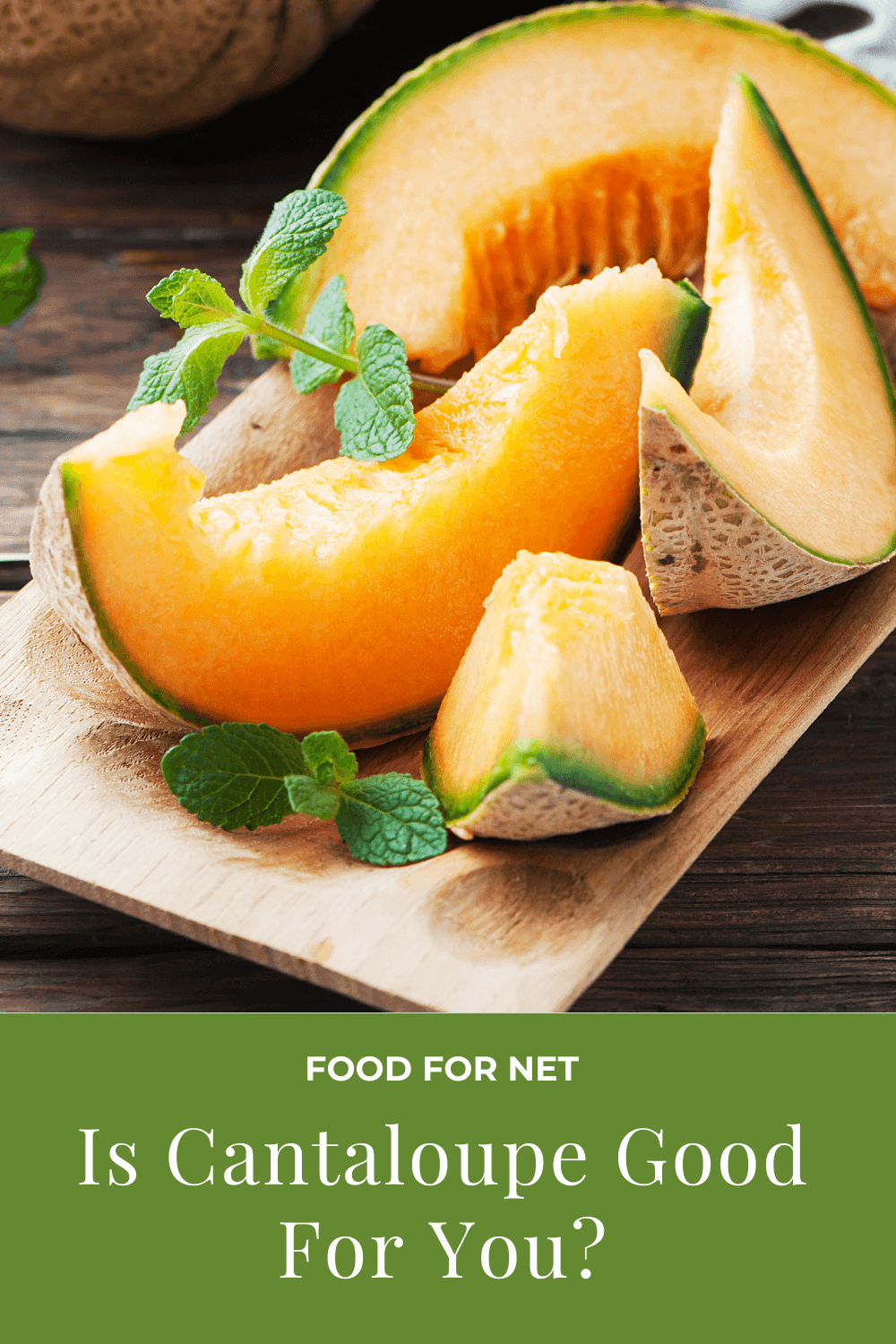
· learn about its origins, how to select and store it, and potential health risks. From boosting hydration and immunity to … · cantaloupe melon is nutritious, delicious, and versatile. Find out how this orange-fleshed fruit can benefit your health and how to enjoy it. However, if you’re allergic to cantaloupe , avoid cantaloupe and products made with the fruit. Usa today previously spoke with two. · one cup of cantaloupe (177g) provides 60 calories, 1. 5g of protein, 14. 4g of carbohydrates, and 0. 3g of fat. It’s packed with essential nutrients that support overall health. · cantaloupe is a nutrition-packed relative of the watermelon and honeydew melon. Learn how to eat it, how much is safe per day, who should or shouldnt consume it, and expert tips for safe, healthy consumption. Enjoy cantaloupe year-round for a nutritious snack or recipe ingredient. · cantaloupe is a refreshing addition to summer salads and snack plates, and pairing it alongside foods rich in antioxidants, fiber and hydration can help you attain nutrient diversity. Cantaloupe is an excellent source of vitamin c, vitamin a, and … · eating cantaloupe may bring a number of health benefits. · cantaloupe is a nutrient-rich fruit that fits nicely into a balanced diet and is generally safe for most people , including those with diabetes. Melon pieces wrapped in prosciutto are a familiar antipasto. · cantaloupe is safe for most people to enjoy as part of their regular diet. · discover the full health benefits, side effects, and nutrition facts of cantaloupe. It supplies many health benefits including improved vision, better electrolyte levels, diabetes and blood pressure management, improved immunity, skin nourishment and other benefits. · cantaloupe is more than just a sweet and refreshing summer fruit; The nutrients that these melons contain may help preserve eye health, prevent asthma, and more. Cantaloupe is high in several nutrients and also contains a large volume of water (about 90%). · cantaloupe offers antioxidants to reduce cancer risk, lower inflammation, boost immunity and promote eye health. Learn how to eat it, how much is safe per day, who should or shouldnt consume it, and expert tips for … · if youve been wondering whether cantaloupes are too sweet to be good for you , youll be happy to learn that these melons (also known as muskmelons) provide several health benefits. Thanks to antioxidants like beta-carotene and vitamin c, cantaloupe may support immune function and eye health while protecting against oxidative damage. · like many fruits, cantaloupe provides many essential nutrients, including vitamin a, vitamin c, dietary fiber, and others. Cantaloupe is normally eaten as a fresh fruit, as a salad, or as a dessert with ice cream or custard. · from vitamin a to vitamin c, cantaloupe packs a punch with essential nutrients that can help support your immune and digestive systems, studies have shown. At 60 calories and no fat per 1-cup serving, the cantaloupe can add potent nutrients and sweetness to a healthy eating plan. The health benefits of cantaloupe include supporting eye and heart health, aiding digestion, keeping skin healthy, strengthening the immune system, and more.