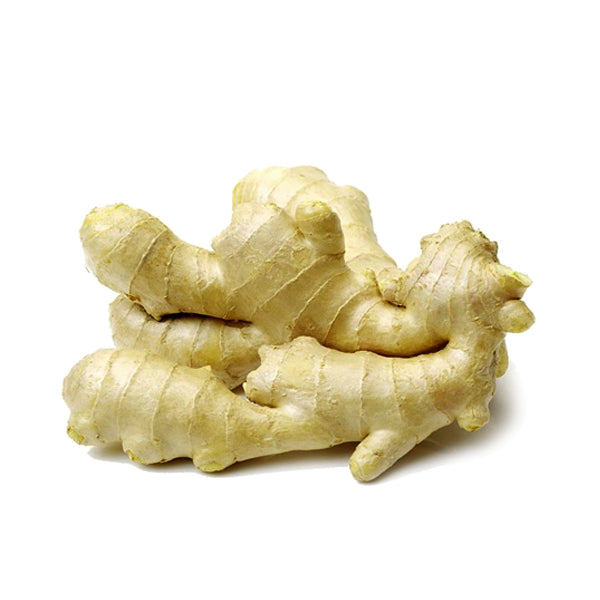
Ginger (Zingiber officinale) is a flowering plant whose rhizome, ginger root or ginger, is widely used as a spice and a folk medicine. [2] It is an herbaceous perennial that grows annual … · Ginger may help relieve nausea and vomiting and aid digestion. Antioxidants and other nutrients in ginger root may help prevent or treat arthritis, inflammation, and various … · Ginger is a herbaceous perennial plant of the family Zingiberaceae, probably native to southeastern Asia. Its pungent aromatic rhizome (underground stem) is used as a … · Ginger may have numerous health benefits due to anti-inflammatory, anti-nausea, and other properties. It may aid digestion, reduce nausea, manage arthritis, alleviate … Ginger adds a fragrant zest to both sweet and savory foods. The pleasantly spicy “kick” from the root of Zingiber officinale, the ginger plant, is what makes ginger ale, ginger tea, candies and … Ginger is native to the warm parts of Asia and is now grown in parts of South America, Africa, and the Middle East. Its rhizome (underground stem) is used in food and for health purposes. · Discover the ultimate guide to ginger—its nutrition facts, 20 science-backed health benefits, side effects, medicinal uses, dosage, best ways to eat and store it, plus who should … · Registered nutritionist Jo Williams explains what makes ginger so good for you, including helping with sickness, joint pain and fever. · Research has shown that ginger root, powdered ginger, and ginger supplements can have some health benefits, including digestion, heart health, and menstrual pain. · Gingertea can help aid digestion, reduce nausea and vomiting, ease pain and inflammation, and benefit your overall health. Most people won't have side effects from normal amounts. Whether you’re looking to ease nausea or relieve pain, this soothing beverage may help.People have used ginger for thousands of years to treat ailments and add an earthy flavor with a spicy kick to their food. Ginger is native to Asia and belongs to the Zingiberaceae family of plants, and people typically use its edible root or stem.It is also an ancient herbal remedy that people have used for a host of ailments, including arthritis, diabetes, cough, colds, and nausea.Ginger is consumed in multiple ways in folk medicine, including in the form of ginger tea. You can make ginger tea by boiling the peeled root in water or milk.See full list on healthline.comGinger is one of the most common ingredients worldwide, used as a spice and medicinal plant.In folk medicine, people often use it to treat coughs and the flu, among other ailments.It has traditionally been used in numerous forms, including: •fresh•pickled•powderedSee full list on healthline.com1. May provide relief from motion sicknessFolk medicine suggests that ginger tea can help calm motion sickness symptoms, like dizziness, vomiting, and cold sweats. One 1988 study in 80 naval cadets unaccustomed to sailing in heavy seas determined that those who received 1 gram of powdered ginger reported reduced vomiting and cold sweating. Although researchers don’t understand exactly how ginger works, some have suggested that certain compounds in ginger block a brain receptor that has a key role in the vomiting center of the brain. However, current research is limited or inconclusive. Yet, if you experience nausea from time to time, ginger tea may be a good treatment to try.2. May alleviate nausea from morning sickness or chemotherapySome experts believe gingerols in ginger can help relieve nausea caused by pregnancy, chemotherapy, or surgery. Researchers suggest that ginger might be an effective and inexpensive alternative to traditional anti-nausea drugs in people who are pregnant or undergoing chemotherapy and can’t have conventional medicines. One study in 92 women found that ginger was more effective than a standard drug at preventing postoperative nausea and vomiting caused by general anesthesia. Nevertheless, be sure to check with a healthcare professional before using ginger after surgery. It may interfere with blood clotting — although research on this is still emerging and more is needed to investigate it further.3. May help manage blood pressure and support heart healthResearch suggests that consuming ginger in daily doses of 2–6 grams may help protect against heart disease. Ginger may do this by: •lowering blood pressure •helping prevent heart attacks •helping prevent blood clots •relieving heartburn •lowering cholesterol •improving blood circulationSee full list on healthline.comDrinking ginger tea is unlikely to cause serious side effects.Ginger is generally recognized as safe (GRAS) by the Food and Drug Administration (FDA), including for those who are breastfeeding or chestfeeding. The FDA says it is safe to consume up to 4 grams of ginger daily. However, these amounts are generally not reached in studies.While there is no consensus on a correct dosage for ginger, studies recommend a safe daily dose of 1,000 mg of fresh ginger.This is the equivalent of 1 teaspoon (5 mL) of freshly grated ginger extract, 0.4 teaspoons (2 mL) of liquid ginger extract, 4 cups (946 mL) of prepackaged ginger tea, or 2 teaspoons (10 mL) of ginger syrup (1).Note that ginger tea is likely less concentrated than these forms of ginger. So, while drinking ginger tea may have side effects, you’re unlikely to experience them if you drink only one or two cups.That said, if you think you’re experiencing side effects from drinking ginger tea, stop drinking it right away and consider speaking with a healthcare professional about your symptoms.See full list on healthline.comHere is an easy-to-follow recipe for making your own ginger tea.Ingredients•4–6 thin slices of peeled, raw ginger (for stronger ginger tea, add more slices)•2 cups (473 mL) water•juice from half a lime or lemon•honey or another sweetener, to taste (optional)See full list on healthline.comHere are some frequently asked questions about drinking ginger tea that may guide you if you’re still unsure whether to try it:•Is it safe to drink ginger tea every day? Yes — the FDA says ginger is generally recognized as safe. The FDA states that you can safely consume up to 4 grams of ginger per day — which is far more than you’d consume in a cup of ginger tea.•Is it OK to drink ginger tea before bed? Yes. Ginger tea is considered a caffeine-free infusion because, unlike black, green, oolong, and white teas, it doesn’t come from the Camellia sinensis plant, which is the source of caffeine in tea.•What is the best time to drink ginger tea? You can enjoy your cup of ginger tea at any time of day — first thing in the morning, right before bedtime, or anytime in between.•What does ginger do to the body? Ginger is rich in compounds with numerous beneficial health effects throughout the body. It has potential antioxidant, antidiabetes, anti-inflammatory, anticancer, weight-loss-friendly, and brain- and heart-protective effects.SummarySee full list on healthline.comGinger tea is an easy, delicious, and all-natural way to promote good health.In addition to giving you the many health benefits of ginger, it’s simple and easy to prepare at home.See full list on healthline.comDec 28, 2025 · Gingertea is a beverage typically made by steeping fresh or dried ginger in boiling water, giving it a sharp, slightly spicy taste and aroma. Premade gingertea bags are also widely available and are generally pretty affordable, with prices ranging from around $0.10 to $0.50 each. Learn how ginger tea can help with digestion, nausea, inflammation, immunity, and more. Discover the nutritional profile, preparation methods, and tips for enjoying this aromatic and healthy beverage. · Complete guide to ginger tea benefits including digestion, immunity, inflammation, and nausea relief. Learn dosage, brewing tips, and side effects. · Drinking ginger tea may aid digestion and reduce inflammation. Other possible health benefits include preventing nausea, soothing a cold, and more. What are the health benefits of drinking ginger tea?Ginger contains key phytonutrients known as gingerols, and research has shown that these can have an antimicrobial and anti-inflammatory effect which, when drunk as a tea, may help support a healthy microbiome. 3. May help to reduce blood pressureIs ginger tea bad for You?(For reference, that’s about 1 teaspoon freshly grated ginger or 4 cups of tea.) The following are some possible side effects of over-consuming ginger tea. Stomach upset : Though ginger tea can be helpful for stomach ailments like nausea, for some people, drinking it in excess can cause indigestion, diarrhea, or loose stools.Is ginger good for You?Ginger contains powerful compounds like gingerol, which have potent anti-inflammatory and antioxidant effects and help reduce oxidative stress and inflammation in the body, contributing to overall health and well-being. · Discover gingerteabenefits in this RD-written guide. Learn how to brew it, enjoy it and understand its supportive perks in a warm, easy-to-follow overview. · Gingertea is a beverage typically made by steeping fresh or dried ginger in boiling water, giving it a sharp, slightly spicy taste and aroma. Premade gingertea bags are also widely available and are generally pretty affordable, with prices ranging from around $0.10 to $0.50 each. Learn how ginger tea can help with digestion, nausea, inflammation, immunity, and more. Discover the nutritional profile, preparation methods, and tips for enjoying this aromatic and healthy beverage. · Complete guide to ginger tea benefits including digestion, immunity, inflammation, and nausea relief. Learn dosage, brewing tips, and side effects. · Drinking ginger tea may aid digestion and reduce inflammation. Other possible health benefits include preventing nausea, soothing a cold, and more. · Discover gingerteabenefits in this RD-written guide. Learn how to brew it, enjoy it and understand its supportive perks in a warm, easy-to-follow overview.