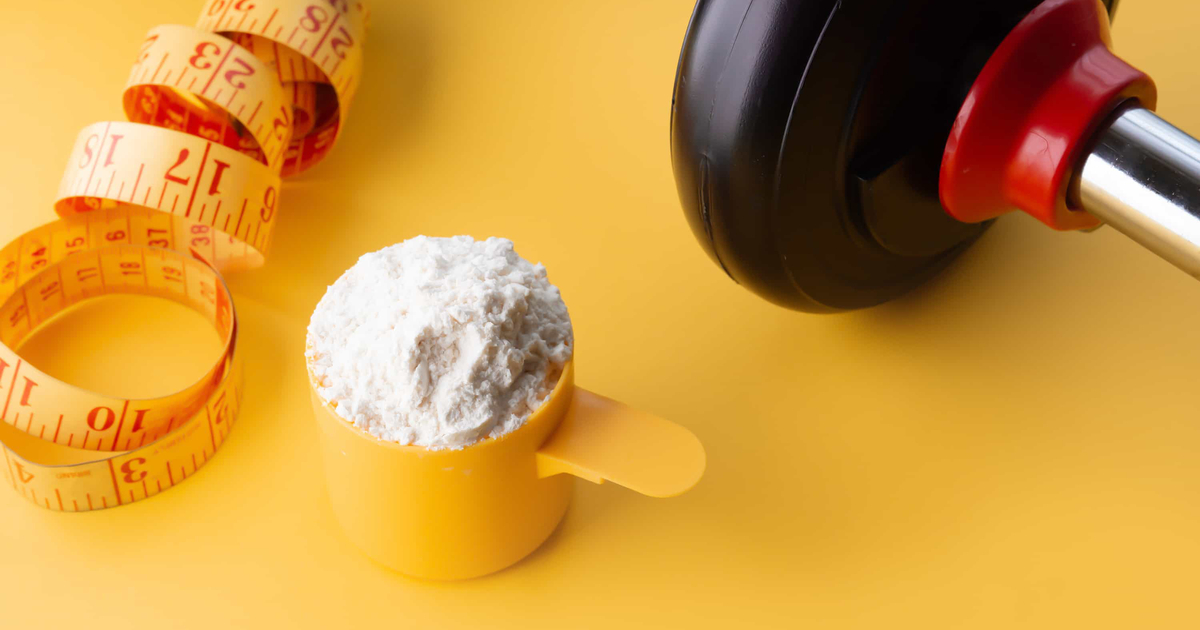
· Learn what creatine loading is, how it can boost your strength and muscle mass, and what side effects it may cause. Find out if creatine loading is worth it or if you can achieve the same results with a lower dose. · Why load at all? Loading gets you results sooner. By quickly saturating your muscles’ creatine stores, you can see earlier bumps in strength, power, and training volume. The standard recommendation is ~0.3 g/kg/day for 5–7 days, then maintenance (ISSN position stand). Learn how creatine loading boosts muscle creatine by 20-40% in just one week. Discover protocols, benefits for strength and athletic performance, plus safety considerations. · What is a creatine loading phase? A creatine loading phase (or simply creatine loading) refers to the strategy of taking higher-than-usual doses of creatine for a short period (usually five to seven days) to rapidly saturate skeletal muscles with creatine stores. During the creatine loading phase, you take high doses of creatine for 5–7 days before moving on to lower maintenance doses. This is the quickest way to reap the benefits of creatine, which include greater muscle strength.Creatine is a compound that’s stored in your muscles. Your body naturally produces creatine, but foods like meat and fish also contain it.Creatine supplements are some of the most widely used supplements in the athletic world — and for good reason (1).Creatine supplements may (1, 2):•provide quick bursts of energy•help improve high intensity exercise performanceSee full list on healthline.comIf you eat a typical omnivorous diet, you take in about 1–2 grams (g) of creatine each day. Your muscle stores of creatine are likely only 60%–80% full (2).However, it’s possible to maximize your muscle stores by taking supplements.Trainers normally recommend a creatine loading phase to rapidly maximize your muscle stores. During this phase, you consume a relatively large amount of creatine over a short period to rapidly saturate your muscles.One common approach is to take 20–25 g of creatine daily for 5–7 days. This dose is typically divided into four or five 5-g servings throughout the day (1, 2, 3).Research shows that this regimen can effectively boost muscle stores of creatine by 10%–40% (2, 4).After the loading phase, you can maintain your stores of creatine by taking a lower dose, which ranges from 3–5 g daily. Some people may need more due to their greater muscle mass (1).See full list on healthline.comWhile the loading phase does pump creatine into your body, it may not be necessary to boost your total creatine levels.In fact, lower doses of creatine taken once daily can be equally effective at maximizing your stores of creatine — though it may take a bit longer.Older studies in male subjects determined that muscles can become fully saturated after taking 3 g of creatine daily for 28 days (5, 6).Therefore, this method may take around 3 additional weeks to maximize your muscle stores compared to creatine loading. Consequently, you may have to wait to see the benefits.Studies on creatine use in people assigned female at birth are rare. However, some research suggests they might benefit from similar dosing strategies (7).One small study involved male and female college students who were healthy and physically active. Over the 6-week study period, some students took a performance supplement containing 4 g of creatine and varying amounts of electrolytes. Others took a placebo.See full list on healthline.comA creatine loading phase may be the fastest way to benefit from creatine’s effects.Some benefits of maximizing your muscle stores of creatine include (1, 2, 9):•Muscle gain: Studies consistently tie creatine supplements to significant increases in muscle mass when combined with resistance training.•Muscle strength: After creatine loading, strength and power may increase.•Improved performance: After creatine loading, performance during high intensity exercise may jump.•Injury prevention: In many studies, athletes using creatine reported less muscle tightness and fewer sport-related injuries (like strains) than non-users.See full list on healthline.comSeveral studies demonstrate that creatine is safe over short- and long-term periods.According to the International Society of Sports Nutrition (ISSN), up to 30 g per day for 5 years may be safe and is generally well tolerated by healthy individuals (2).Though rare, some people have reported gastrointestinal issues like nausea, vomiting, and diarrhea. Creatine may also cause temporary weight gain and bloating, as it may temporarily increase water retention in your muscles (1).Since your kidneys metabolize creatine, creatine supplements may worsen kidney function in people with renal disease. If you have impaired kidney function, consult a doctor before taking creatine or other supplements.While it’s commonly believed that creatine may increase your risk of dehydration, cramping, and heat illness, current research contradicts these claims.In fact, some studies suggest that creatine may reduce dehydration, cramping, and your risk of heat-related illness (1, 2, 10).See full list on healthline.comCreatine supplements are widely available in brick-and-mortar stores and online. The most well-studied form is creatine monohydrate.Studies suggest that 5 g of creatine monohydrate four or five times daily for 5–7 days is the most effective way to increase your muscle creatine levels. Recommended amounts may vary depending on your weight (1, 2, 3).You can determine your daily dose for the loading phase by multiplying your weight in kilograms (kg) by 0.3 (2).For example, an individual weighing 80 kg (176 pounds) would consume 24 g (80 x 0.3) of creatine daily during the loading phase.Once your muscles are completely saturated, a daily maintenance dose of 3–5 g can help you maintain high levels (1).Keep in mind that your muscle stores of creatine will gradually decrease to your usual levels when you stop taking creatine supplements (2).See full list on healthline.comIt’s possible to maximize your muscle stores of creatine gradually over several weeks.However, the fastest way to maximize your muscle stores and reap creatine’s benefits is a weeklong loading phase followed by lower doses to maintain high levels.These benefits include increased muscle mass and strength, improved performance, and a reduced risk of sport-related injuries.At the end of the day, creatine loading may not be necessary — but it’s expedient and safe.See full list on healthline.comView allMar 21, 2025 · What is a creatine loadingphase? Is it necessary? How does creatine work? A creatine loadingphase is when a person takes a higher dose than the maintenance level for several days.... · A creatine loadingphase is the ramp-up period when you start taking creatine, which requires you to take extra for the first five to seven days before taking the regular dosage. · What is a creatine loadingphase? Is it necessary? How does creatine work? A creatine loadingphase is when a person takes a higher dose than the maintenance level for several days.... · A creatine loadingphase is the ramp-up period when you start taking creatine, which requires you to take extra for the first five to seven days before taking the regular dosage.