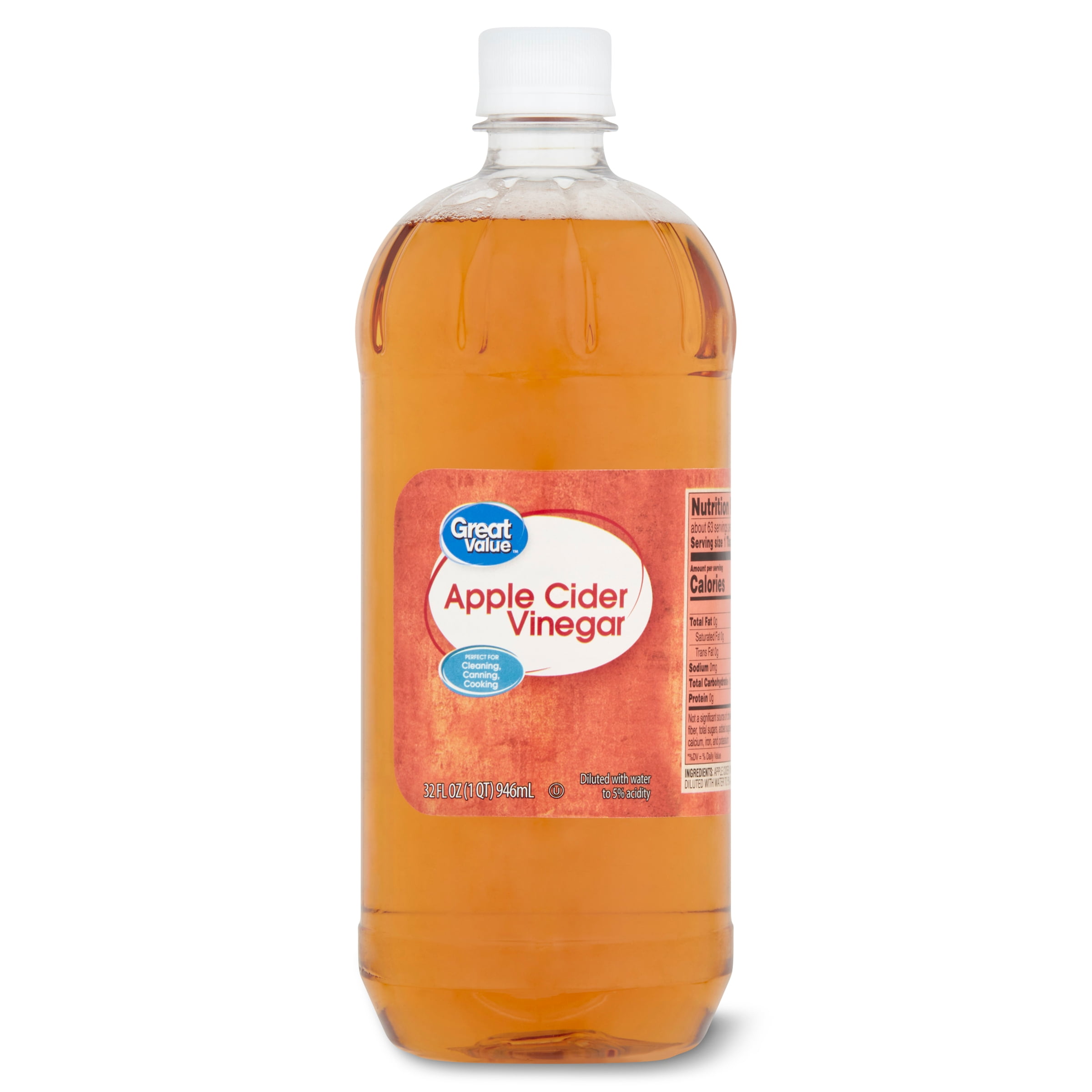
Apple cider vinegar, or cidervinegar, is a vinegar made from cider, [3] and used in salad dressings, marinades, vinaigrettes, food preservatives, and chutneys. [4] It is made by crushing apples, then squeezing out the juice. The apple juice is then fermented by yeast which converts the sugars in the juice to ethanol. In a second fermentation step, the ethanol is converted into acetic acid by ... · Applecidervinegar (ACV) offers many benefits, from enhancing weight loss to improving blood sugar levels. Learn whether ACV may be a valuable addition to your health regimen. 5 days ago · We spoke with experts to learn more about applecidervinegar's benefits and whether you should be adding it to your water. · Applecidervinegar (ACV) is a type of vinegar made with crushed fermented apples, yeast, and sugar. It's used as an ingredient in foods such as salad dressings, pickles, and marinades. Research suggests that apple cider vinegar may have beneficial health properties, including antimicrobial and antioxidant effects.Apple cider vinegar is a popular home remedy. People have used it for centuries in cooking and natural medicine. It may have some health benefits.These may include:•aiding weight loss•reducing cholesterol•lowering blood sugar levelsSee full list on healthline.comAcetic acid is vinegar’s primary active compound, giving it its strong sour smell and flavor. Researchers believe this acid is responsible for apple cider vinegar’s health benefits. Cider vinegars are 5–6% acetic acid (1).Organic, unfiltered apple cider vinegar also contains a substance called mother, which consists of strands of proteins, enzymes, and friendly bacteria that give the product a murky appearance.Some people believe the mother is responsible for most of its health benefits, although no studies currently support this.While apple cider vinegar does not contain many vitamins or minerals, quality brands may contain some amino acids and antioxidants (1).SUMMARYApple cider vinegar is made by fermenting the sugar from apples. This turns them into acetic acid, which is a main active ingredient in vinegar and may be responsible for its health benefits.See full list on healthline.comVinegar can help kill pathogens, including some strains of bacteria (2, 3).People have traditionally used vinegar for cleaning and disinfecting, treating nail fungus, lice, warts, and ear infections.Hippocrates, the father of modern medicine, used vinegar to clean wounds more than 2,000 years ago.Vinegar is also a food preservative. Studies show it inhibits bacteria like E. coli from growing in and spoiling food (3, 4).If you’re looking for a natural way to preserve your food, apple cider vinegar could help.Anecdotal reports also suggest that diluted apple cider vinegar could help with acne when applied to the skin, but there doesn’t seem to be any strong research to confirm this.See full list on healthline.comTo date, one of the most convincing applications of vinegar is helping treat type 2 diabetes.Type 2 diabetes is characterized by high blood sugar levels caused by insulin resistance or the inability to produce insulin (5).However, people without diabetes can also benefit from keeping their blood sugar levels in the typical range, as some researchers believe that high blood sugar levels are a major cause of aging and various chronic diseases (6).The most effective and healthful way to regulate blood sugar levels is to eat a balanced diet low in refined carbs and sugar, but apple cider vinegar may also have a beneficial effect.A 2019 clinical trial suggests apple vinegar consumption may have beneficial effects on the glycemic index and oxidative stress in individuals with diabetes and dyslipidemia (7).A 2021 review of clinical trials found that ACV consumption may benefit glycemic status in adults. But the studies’ authors note that the finding should be interpreted with caution, as more extensive studies are still needed to better understand apple cider vinegar’s potential benefits (8).See full list on healthline.comPerhaps surprisingly, studies show that vinegar could help people lose weight.Several human studies show that vinegar can increase feelings of fullness. This can lead to eating fewer calories and losing weight.One review of research noted that in short-term studies, when participants consumed apple cider vinegar with a meal containing solid foods, they experienced appetite suppression for 120 minutes after the meal. They also snacked less for 3 to 24 hours after consuming the apple cider vinegar (12). However, the longer-term studies they reviewed showed no relationship between apple cider vinegar and appetite suppression (12).That said, simply adding or subtracting single foods or ingredients rarely has a noticeable effect on weight. Long-term weight loss is created by adopting helpful and supportive diet and lifestyle habits. Overall, apple cider vinegar may contribute to weight loss by promoting satiety, lowering blood sugar, and reducing insulin levels.See full list on healthline.comHeart disease is one of the leading causes of death (13).Several biological factors can affect your risk for heart disease.Research suggests that vinegar could possibly improve some of them. But many studies on apple cider vinegar’s benefits were conducted in animals, which may not reflect the benefits in humans. A 2020 review of studies in both humans and animals noted that apple cider vinegar may potentially benefit levels of high-density lipoprotein, low-density lipoprotein, triglycerides, and total cholesterol (14).A 2021 review of research in humans found that apple cider vinegar may benefit total cholesterol levels (8).But both reviews pointed to limitations in the quality and size of research available to support these claims.See full list on healthline.comSome people use apple cider vinegar as a common remedy for skin conditions like dry skin and eczema.The skin is naturally slightly acidic. But it may be less acidic in people with eczema. Using diluted topical apple cider vinegar topically may help rebalance the skin’s natural pH, improving the protective skin barrier (15, 16).On the other hand, alkaline soaps and cleansers could irritate eczema, prompting a flare-up (17).Given its antibacterial properties, diluted apple cider vinegar could, in theory, help prevent skin infections linked to eczema and other skin conditions.Some people use diluted apple cider vinegar in a face wash or toner. The idea is that it can kill bacteria and prevent spots.However, one study of 22 people with eczema reported that apple cider vinegar soaks did not improve the skin barrier and caused skin irritation (18).See full list on healthline.comThe best way to incorporate apple cider vinegar into your diet is to use it in cooking. It’s a simple addition to foods like salad dressings and homemade mayonnaise.Some people also like to dilute it in water and drink it as a beverage. Standard dosages range from 1–2 teaspoons (5–10 mL) to 1–2 tablespoons (15–30 mL) per day mixed in a large glass of water.It’s best to start with small doses and avoid taking large amounts. Too much vinegar can cause harmful side effects, including tooth enamel erosion and potential drug interactions.Some dietitians recommend using organic, unfiltered apple cider vinegar that contains “mother.”Read more about the correct dosage of apple cider vinegar here.SUMMARYSee full list on healthline.comMany websites and natural healthcare proponents claim that apple cider vinegar has exceptional health benefits, including boosting energy and treating disease.Unfortunately, there’s little research to support most claims about its health benefits.That said, some studies suggest it may offer some benefits, including killing bacteria, lowering blood sugar levels, and promoting weight loss.Apple cider vinegar appears safe when diluted as long as you don’t take excessive amounts of it.It also has various other non-health–related uses, including as a natural hair conditioner, skin care product, and cleaning agent.Read this article in SpanishSee full list on healthline.comJun 11, 2025 · Discover everything you need to know about applecidervinegar – from how it’s made and its culinary uses to tangible health benefits, fermentation insights, and culinary uses. · What is applecidervinegar? Applecidervinegar (ACV) is made by fermenting the sugars from apples, which turns them into acetic acid – the active ingredient in vinegar. In the shops you may see applecidervinegar labelled as 'filtered' (a clear liquid), or unfiltered – the latter containing something known as ‘mother’. This means there are proteins, enzymes and friendly bacteria ... · Discover everything you need to know about applecidervinegar – from how it’s made and its culinary uses to tangible health benefits, fermentation insights, and culinary uses. · What is applecidervinegar? Applecidervinegar (ACV) is made by fermenting the sugars from apples, which turns them into acetic acid – the active ingredient in vinegar. In the shops you may see applecidervinegar labelled as 'filtered' (a clear liquid), or unfiltered – the latter containing something known as ‘mother’. This means there are proteins, enzymes and friendly bacteria ... OneClearWinner.com - Stop browsing online stores for hours - we are doing it for you. OneClearWinner.com - Stop browsing online stores for hours